Showing posts with label hiking. Show all posts

Sunday, July 9, 2023

+23 Hiking Wear Mens Ideas

The 12 Best Winter Hiking Pants For Men Winter hiking, Hiking pants
The 12 Best Winter Hiking Pants For Men Winter hiking, Hiking pants from br.pinterest.com

Are you an avid hiker in search of the perfect hiking wear mens? Look no further! In this article, we will explore the world of hiking wear mens, from its target to its history, and even some hidden secrets. Whether you are a beginner or a seasoned hiker, this guide will provide you with all the information you need to make the best choices for your hiking adventures.

When it comes to hiking wear mens, comfort, durability, and functionality are key. Pain points such as uncomfortable clothing, lack of protection from the elements, and inadequate gear can hinder your hiking experience. That's why it is important to invest in high-quality hiking wear mens that meets all your needs and ensures a comfortable and enjoyable hike.

The target of hiking wear mens is to provide hikers with clothing and gear that is specifically designed for outdoor activities. These items are made from breathable and moisture-wicking materials to keep you dry and comfortable during your hikes. They also offer protection from the sun, wind, and other elements, as well as features like reinforced knees and waterproof coatings to withstand the demands of the trail.

In conclusion, when it comes to hiking wear mens, it is important to invest in high-quality clothing and gear that will provide you with the comfort, protection, and durability you need for your outdoor adventures. Whether you are a beginner or an experienced hiker, the right hiking wear mens can make all the difference in your hiking experience.

Hiking Wear Mens: Exploring the Essentials

When it comes to hiking wear mens, having the right gear is essential for a successful and enjoyable hike. I remember my first hiking trip, where I learned the importance of proper hiking wear mens the hard way. I had worn regular cotton clothing and ended up sweaty, uncomfortable, and with blisters. That's when I realized the importance of investing in the right hiking wear mens.

One of the most important pieces of hiking wear mens is a good pair of hiking boots. These should be waterproof, provide ankle support, and have a sturdy sole to prevent slipping on uneven terrain. It's also important to wear moisture-wicking socks to keep your feet dry and prevent blisters.

Another essential item of hiking wear mens is a good pair of hiking pants. Look for pants made from quick-drying and breathable materials, with features like zip-off legs for versatility. A moisture-wicking and lightweight hiking shirt is also a must, along with a waterproof and breathable jacket to protect you from the elements.

Don't forget to protect your head and hands! A wide-brimmed hat will shield you from the sun, while gloves will provide warmth and protect your hands during colder hikes.

Hiking Wear Mens

When choosing hiking wear mens, it's important to consider the weather and terrain of your hike. Layering is key for temperature regulation, so make sure to have options for different weather conditions. It's also important to choose clothing and gear that fits well and allows for freedom of movement.

Overall, investing in high-quality hiking wear mens is essential for a comfortable and enjoyable hiking experience. The right gear will keep you protected from the elements, provide comfort and durability, and allow you to focus on the beauty of nature around you.

The History and Myth of Hiking Wear Mens

Did you know that hiking wear mens has a rich history? Hiking as a recreational activity gained popularity in the late 18th and early 19th centuries, with people exploring the natural beauty of the countryside. As the activity grew in popularity, the need for suitable clothing and gear arose.

In the early days of hiking, people would wear regular clothing such as long skirts and trousers made from heavy materials like wool. These were not ideal for hiking, as they restricted movement and were not moisture-wicking or quick-drying.

Over time, hiking wear mens evolved to meet the specific needs of hikers. Fabrics like nylon and polyester were developed, offering lightweight, breathable, and moisture-wicking properties. Features like zip-off legs, adjustable waistbands, and reinforced knees were introduced to enhance comfort and functionality.

As hiking became more popular, myths and legends surrounding hiking wear mens started to emerge. Some claimed that certain fabrics or designs had mystical powers to protect the wearer from danger or bring good luck on the trails. While these myths may be entertaining, it's important to focus on the practical aspects of hiking wear mens and choose gear that meets your specific needs.

Today, hiking wear mens continues to evolve with advancements in technology and materials. The focus is on creating clothing and gear that is lightweight, durable, and offers maximum comfort and protection for hikers of all levels.

The Hidden Secrets of Hiking Wear Mens

Did you know that there are hidden secrets when it comes to hiking wear mens? These secrets can make a big difference in your hiking experience and ensure that you have a comfortable and enjoyable time on the trails.

One hidden secret of hiking wear mens is the importance of layering. Layering allows you to easily regulate your body temperature by adding or removing clothing as needed. Start with a moisture-wicking base layer to keep sweat away from your skin. Add a mid-layer for insulation, and finish with a waterproof and breathable outer layer to protect you from the elements.

Another hidden secret is the power of merino wool. Merino wool is a natural fiber that offers excellent insulation, moisture-wicking properties, and odor resistance. It is also incredibly soft and comfortable, making it a great choice for hiking wear mens.

One more hidden secret is the importance of proper footwear. Investing in a good pair of hiking boots that fit well and provide ankle support can make all the difference in your hiking experience. Don't forget to break them in before hitting the trails to avoid blisters and discomfort.

Lastly, don't underestimate the power of accessories. Items like trekking poles, gaiters, and sunglasses can greatly enhance your hiking experience and provide added comfort and protection.

Recommendation for Hiking Wear Mens

When it comes to hiking wear mens, there are countless brands and options to choose from. It can be overwhelming to make the right choice, but fear not! I have a few recommendations that have proven to be reliable and high-quality options.

One brand that consistently delivers top-notch hiking wear mens is Patagonia. Their clothing and gear are known for their durability, functionality, and commitment to sustainability. Whether you need a waterproof jacket, hiking pants, or a base layer, Patagonia has you covered.

Columbia is another brand that offers a wide range of hiking wear mens. From their innovative Omni-Wick technology to their durable and breathable fabrics, Columbia's clothing and gear are designed to keep you comfortable and protected on the trails.

For footwear, Merrell is a brand that is trusted by hikers worldwide. Their hiking boots and shoes are known for their comfort, durability, and traction, making them a great choice for any hiking adventure.

These are just a few recommendations, but there are many other brands out there that offer high-quality hiking wear mens. The key is to find clothing and gear that meets your specific needs and preferences, whether it's for a day hike or a multi-day trek.

Exploring the Materials of Hiking Wear Mens and Related Keywords

When it comes to hiking wear mens, the choice of materials is crucial for comfort, durability, and protection. Here are some of the most common materials used in hiking wear mens and their key features:

1. Nylon: Nylon is a synthetic fabric that is lightweight, durable, and quick-drying. It offers excellent moisture-wicking properties and is resistant to abrasion and tearing. Nylon is often used in hiking pants, jackets, and backpacks.

2. Polyester: Polyester is another synthetic fabric that is known for its durability and moisture-wicking properties. It is often blended with other fabrics to enhance comfort and breathability. Polyester is commonly used in hiking shirts, base layers, and socks.

3. Merino Wool: Merino wool is a natural fiber that offers excellent insulation, moisture-wicking properties, and odor resistance. It is incredibly soft and comfortable, making it a great choice for hiking wear mens. Merino wool is often used in base layers, socks, and beanies.

4. Gore-Tex: Gore-Tex is a waterproof and breathable fabric that is used in hiking jackets, pants, and footwear. It offers excellent protection from the elements while allowing moisture to escape, keeping you dry and comfortable.

These are just a few examples of the materials used in hiking wear mens. The choice of materials will depend on the specific needs and preferences of the hiker, as well as the weather and terrain of the hike.

Tips for Hiking Wear Mens

When it comes to hiking wear mens, there are a few tips that can help you make the most of your gear and ensure a comfortable and enjoyable hiking experience.

1. Layering: As mentioned earlier, layering is key for temperature regulation. Make sure to have a moisture-wicking base layer, an insulating mid-layer, and a waterproof and breathable outer layer. This will allow you to easily add or remove clothing as needed.

2. Proper Fit: It's important to choose hiking wear mens that fits well and allows for freedom of movement. Clothing that is too tight or too loose can restrict movement and cause discomfort. Make

Saturday, July 8, 2023

List Of Is Hiking Alone Safe References

Solo Hiking 12 Things To Consider Before Hiking Alone OtterBee
Solo Hiking 12 Things To Consider Before Hiking Alone OtterBee from www.pinterest.com

Have you ever considered going hiking alone? Many people enjoy the solitude and freedom that comes with hiking alone, but is it really safe? In this article, we will explore the topic of hiking alone and whether or not it is safe.

When it comes to hiking alone, there are definitely some risks involved. One of the main concerns is the lack of support or assistance if something were to go wrong. If you were to get injured or lost, there would be no one there to help you. Additionally, hiking alone can also be more dangerous in terms of encounters with wildlife or adverse weather conditions.

So, is hiking alone safe? While there are risks involved, hiking alone can be safe as long as you take the necessary precautions. It is important to thoroughly research the trail you plan on hiking, let someone know your itinerary and expected return time, and come prepared with the appropriate gear and supplies. By being prepared and cautious, you can minimize the risks associated with hiking alone.

In conclusion, hiking alone can be safe if you take the necessary precautions. Researching your trail, informing someone of your plans, and being prepared with the right gear are all essential steps to ensure your safety. While there are risks involved, with proper planning and caution, you can enjoy the solitude and freedom that comes with hiking alone.

Is Hiking Alone Safe: Personal Experience

During one of my solo hikes, I decided to explore a trail that I had never been on before. I researched the trail extensively beforehand, noting any potential hazards or challenges. I informed a friend of my plans and expected return time, and set off early in the morning.

The trail was beautiful, with stunning views and diverse wildlife. As I hiked, I made sure to stay on the designated path and not to venture off into unknown territory. I also kept my phone fully charged and had a map and compass as backup.

Halfway through my hike, I encountered a sudden thunderstorm. The rain came pouring down, obscuring my vision and making the trail slippery. Luckily, I had packed a waterproof jacket and extra layers, so I was able to stay relatively dry and warm. I found shelter under a tree until the storm passed, and then continued on my way.

While this experience was challenging, it taught me the importance of being prepared and adaptable when hiking alone. It also reinforced the fact that hiking alone can be safe if you take the necessary precautions.

Is Hiking Alone Safe: Explained

When we talk about hiking alone, we are referring to the act of hiking without any companions. This means that you are solely responsible for your own safety and well-being. While this may seem daunting, with the right preparation and mindset, hiking alone can be a fulfilling and safe experience.

One of the most important aspects of hiking alone is researching your trail. This includes studying maps, reading reviews, and checking weather forecasts. By understanding the terrain and potential challenges, you can better prepare yourself and anticipate any dangers.

Additionally, it is crucial to let someone know about your plans. This could be a friend, family member, or even a park ranger. Give them details about your itinerary, including the trail you plan on hiking, your expected return time, and any alternate routes you may take. This way, if you fail to check in or return on time, someone will be able to initiate a search and rescue operation.

Furthermore, packing the right gear and supplies is essential for hiking alone. This includes proper hiking boots, a backpack with essentials such as food, water, a first aid kit, and a navigation device. It is also important to dress appropriately for the weather and bring extra layers in case of unexpected changes in temperature.

Is Hiking Alone Safe: History and Myth

Hiking alone has been a popular activity for many years, with people seeking solace and adventure in the great outdoors. While there are stories of hikers getting lost or injured while hiking alone, it is important to remember that these incidents are relatively rare.

One common myth surrounding hiking alone is that it is inherently dangerous. While there are risks involved, it is important to remember that accidents and emergencies can happen even when hiking in a group. By taking the necessary precautions and being prepared, you can mitigate these risks and have a safe hiking experience.

Is Hiking Alone Safe: The Hidden Secret

The hidden secret of hiking alone is the sense of empowerment and self-reliance that comes with it. When you hike alone, you are solely responsible for your own safety and well-being. This can be a daunting prospect, but it can also be incredibly empowering.

Hiking alone allows you to challenge yourself, both mentally and physically. It forces you to rely on your own skills and instincts, and pushes you out of your comfort zone. The solitude and freedom that comes with hiking alone can be incredibly liberating, allowing you to connect with nature on a deeper level.

Is Hiking Alone Safe: Recommendations

When it comes to hiking alone, there are a few recommendations to keep in mind to ensure your safety:

1. Research your trail thoroughly before embarking on your hike. Take note of any potential hazards or challenges.

2. Inform someone of your plans and expected return time. This way, if something were to go wrong, someone would be able to initiate a search and rescue operation.

3. Pack the right gear and supplies, including proper hiking boots, a backpack with essentials, and appropriate clothing for the weather conditions.

4. Trust your instincts and be prepared to make decisions based on your own judgment. If something doesn't feel right, it's always better to err on the side of caution.

Is Hiking Alone Safe: Tips

Here are some additional tips for hiking alone:

- Start with shorter hikes and gradually increase the difficulty level as you gain more experience.

- Take breaks and listen to your body. Don't push yourself too hard and give yourself time to rest and recover.

- Stay hydrated and fuel your body with nutritious snacks to keep your energy levels up.

- Be aware of your surroundings and pay attention to any potential hazards or changes in the weather.

- Trust your instincts and don't be afraid to turn back if conditions become unsafe.

Is Hiking Alone Safe: Frequently Asked Questions

1. Q: Can I hike alone if I'm a beginner?

A: While it is not recommended for beginners to hike alone, it ultimately depends on your level of experience and comfort. If you are a beginner, it is best to start with shorter, well-marked trails and gradually work your way up to more challenging hikes.

2. Q: What should I do if I get lost while hiking alone?

A: If you find yourself lost while hiking alone, the first thing to do is to stay calm. Try to retrace your steps and look for any familiar landmarks. If you are unable to find your way back, it is important to stay in one place and wait for help to arrive.

3. Q: Is it safe to hike alone in remote areas?

A: Hiking alone in remote areas can be more challenging and risky. It is important to take extra precautions, such as carrying a satellite phone or emergency beacon, and ensuring that someone knows your exact route and expected return time.

4. Q: What should I do if I encounter wildlife while hiking alone?

A: If you encounter wildlife while hiking alone, it is important to remain calm and avoid direct eye contact. Slowly back away and give the animal plenty of space. If the animal charges or acts aggressively, use any deterrents you have (such as bear spray) and try to make yourself appear larger.

Conclusion of Is Hiking Alone Safe

In conclusion, hiking alone can be a safe and rewarding experience if you take the necessary precautions. By researching your trail, informing someone of your plans, and being prepared with the right gear, you can minimize the risks associated with hiking alone. Remember to trust your instincts and always prioritize your safety when venturing out into the wilderness.

Friday, July 7, 2023

+23 Hiking Trowel References

iunio Hiking Trowel, Camping, Backpacking, Portable Shovel, Multitool
iunio Hiking Trowel, Camping, Backpacking, Portable Shovel, Multitool from www.desertcart.co

Are you an avid hiker looking for the perfect tool to assist you on your outdoor adventures? Look no further than the hiking trowel. This compact and versatile tool is a must-have for any hiker, offering a range of benefits and features that make it an essential addition to your hiking gear.

When it comes to hiking, there are several pain points that can make your experience less enjoyable. One of the most common issues hikers face is the need to dig holes for various purposes, such as burying waste or securing tent stakes. This can be a difficult and time-consuming task without the right tool. That's where the hiking trowel comes in handy.

The hiking trowel is designed to make digging holes quick and easy. Its compact size and lightweight construction make it easy to carry in your backpack without adding extra weight. With a sharp and sturdy blade, the hiking trowel can effortlessly cut through soil and roots, allowing you to dig holes with minimal effort.

In summary, the hiking trowel is a compact and versatile tool that offers a range of benefits for hikers. It helps to alleviate pain points related to digging holes and provides a convenient solution for various outdoor tasks. Whether you're burying waste, securing tent stakes, or completing other outdoor tasks, the hiking trowel is an essential tool that every hiker should have in their gear.

Hiking Trowel: A Personal Experience

During a recent hiking trip, I had the opportunity to put my hiking trowel to the test. We were camping in a remote area with no access to bathrooms, so we had to dig holes to bury our waste. With my hiking trowel in hand, I was able to quickly and easily dig holes without any hassle. The sharp blade made it effortless to cut through the soil, and the compact size allowed me to carry it in my backpack without adding extra weight.

Not only did the hiking trowel make digging holes easier, but it also proved to be a versatile tool for other outdoor tasks. I used it to secure tent stakes, clear debris from our camping area, and even dig small trenches for water drainage. Its lightweight and durable construction ensured that it could handle any task I threw at it.

Overall, my experience with the hiking trowel was extremely positive. It proved to be a valuable tool that made my hiking trip much more enjoyable and convenient. Whether you're a beginner hiker or an experienced outdoor enthusiast, I highly recommend adding a hiking trowel to your gear.

What is a Hiking Trowel?

A hiking trowel is a small handheld tool that is used for digging holes in outdoor environments. It typically features a sharp blade made of stainless steel or other durable materials, attached to a handle for easy gripping. The compact size and lightweight construction make it easy to carry in a backpack or pocket.

The primary purpose of a hiking trowel is to assist hikers in various outdoor tasks, such as burying waste, securing tent stakes, and digging small trenches. Its sharp blade allows for easy cutting through soil and roots, while the handle provides a comfortable grip for optimal control.

In addition to its practical uses, a hiking trowel can also come in handy for emergency situations. It can be used to dig a fire pit, create a shelter, or even for self-defense in extreme cases. Its versatile nature makes it a valuable tool for any outdoor enthusiast.

The History and Myth of the Hiking Trowel

The history of the hiking trowel dates back to ancient civilizations, where similar tools were used for digging and farming. The concept of a handheld tool with a sharp blade and handle has been around for centuries, evolving over time to meet the specific needs of hikers and outdoor enthusiasts.

As for myths surrounding the hiking trowel, there are none that have been widely documented. However, its practicality and versatility have made it a popular tool among hikers, earning it a reputation as an essential item for outdoor adventures.

The Hidden Secret of the Hiking Trowel

The hidden secret of the hiking trowel lies in its simplicity. While it may seem like just a small tool for digging holes, it offers a range of benefits and uses that can greatly enhance your outdoor experience. Its compact size and lightweight construction make it easy to carry, while its sharp blade and comfortable handle ensure optimal performance.

One of the hidden secrets of the hiking trowel is its ability to serve multiple purposes. It can be used for digging holes, cutting through roots, clearing debris, and even for emergency situations. Its versatility makes it a valuable tool that can come in handy in a variety of outdoor scenarios.

Recommendation of the Hiking Trowel

When it comes to choosing a hiking trowel, there are several factors to consider. Firstly, look for a trowel with a sharp and durable blade that can cut through soil and roots with ease. Stainless steel blades are often a good choice due to their strength and resistance to rust.

Secondly, consider the size and weight of the hiking trowel. Opt for a compact and lightweight design that won't add unnecessary bulk to your backpack. Look for a trowel with a comfortable handle that provides a secure grip and optimal control.

Lastly, read reviews and do your research before making a purchase. Look for trowels with positive customer feedback and a reputation for durability and performance. Taking the time to find the right hiking trowel will ensure that you have a reliable and effective tool for your outdoor adventures.

Hiking Trowel: Tips and Tricks

Here are some tips and tricks to make the most of your hiking trowel:

  1. Keep your hiking trowel clean and dry to prevent rust and ensure optimal performance.
  2. Practice using your trowel before your hiking trip to familiarize yourself with its features and functions.
  3. Consider carrying a small brush or towel to clean your trowel after use.
  4. Store your hiking trowel in a protective sheath or pouch to prevent damage and ensure safe storage.

Hiking Trowel: Frequently Asked Questions

Q: Can I use a regular garden trowel for hiking?

A: While a regular garden trowel may work for some hiking tasks, it is not specifically designed for outdoor use. A hiking trowel offers a range of features and benefits that make it a superior choice for hikers.

Q: How do I clean and maintain my hiking trowel?

A: To clean your hiking trowel, simply rinse it with water and wipe it dry after each use. Avoid using harsh chemicals or scrubbing pads that could damage the blade or handle. Store your trowel in a dry place to prevent rust.

Q: Can a hiking trowel be used for self-defense?

A: While a hiking trowel can be used for self-defense in extreme cases, it is not a primary function of the tool. It is always recommended to prioritize safety and avoid dangerous situations whenever possible.

Q: Can a hiking trowel be used for backpacking trips?

A: Yes, a hiking trowel is a valuable tool for backpacking trips. Its compact size and lightweight construction make it easy to carry in your backpack, while its versatile nature ensures that it can handle a range of outdoor tasks.

Conclusion of Hiking Trowel

The hiking trowel is a versatile and essential tool for any hiker or outdoor enthusiast. Its compact size, lightweight construction, and sharp blade make it a valuable tool for digging holes, securing tent stakes, and completing various outdoor tasks. Whether you're a beginner hiker or an experienced outdoor adventurer, a hiking trowel is a must-have addition to your gear collection. Invest in a high-quality hiking trowel and enjoy the convenience and benefits it offers on your next outdoor adventure.

Tuesday, August 4, 2020

Review Of Hiking Trails Custer State Park 2023

8 Things to Do in Custer State Park Best Hikes, Best Scenic Drives
8 Things to Do in Custer State Park Best Hikes, Best Scenic Drives from www.earthtrekkers.com

Are you a nature lover and adventure seeker? If so, then hiking trails Custer State Park is the perfect destination for you. Located in South Dakota, Custer State Park offers a wide range of hiking trails that cater to all levels of hikers. Whether you're a beginner or an experienced hiker, there's something for everyone in this beautiful park.

When it comes to hiking trails Custer State Park, there are a few pain points that hikers may encounter. One of the main pain points is the difficulty level of some trails. While there are beginner-friendly trails, there are also more challenging trails that require a certain level of physical fitness and experience. Another pain point is the unpredictable weather in the park. It's important to be prepared for sudden changes in weather conditions and pack accordingly.

The target of hiking trails Custer State Park is to provide visitors with an opportunity to explore the stunning natural beauty of the park and experience its diverse wildlife. From towering granite peaks to serene lakes and lush meadows, the park offers a variety of landscapes to discover. Hiking through the trails allows visitors to immerse themselves in the park's natural wonders and connect with nature on a deeper level.

In conclusion, hiking trails Custer State Park is a must-visit destination for nature lovers and adventure seekers. With a variety of trails catering to all levels of hikers, breathtaking landscapes, and abundant wildlife, the park offers a unique and unforgettable hiking experience.

Hiking Trails Custer State Park: A Personal Experience

During my visit to Custer State Park, I had the opportunity to explore some of its hiking trails. One of the most memorable experiences was hiking the Sylvan Lake Loop Trail. This moderate-level trail offers stunning views of the iconic Sylvan Lake and takes you through a beautiful forested area. The trail is well-marked and maintained, making it easy to navigate.

As I hiked along the trail, I was surrounded by towering granite cliffs and lush greenery. The peacefulness of the surroundings was truly rejuvenating. Along the way, I encountered various wildlife, including deer and birds. It was a magical experience to observe these creatures in their natural habitat.

Another trail that I explored was the Cathedral Spires Trail. This more challenging trail offers breathtaking views of the park's famous Cathedral Spires, towering granite formations that reach up to 50 feet in height. The trail requires some scrambling and climbing, but the reward is well worth it. Standing at the base of these majestic spires was an awe-inspiring experience.

Overall, my hiking experience in Custer State Park was truly unforgettable. The combination of stunning landscapes, diverse wildlife, and well-maintained trails made for a perfect adventure. Whether you're a beginner or an experienced hiker, there's something for everyone in this park.

Hiking Trails Custer State Park: Exploring Nature's Beauty

Custer State Park is home to a wide variety of hiking trails, each offering its own unique experience. From easy and scenic trails to more challenging and rugged trails, there's something for every hiker in this park.

One of the most popular trails in Custer State Park is the Sunday Gulch Trail. This moderate-level trail takes you through a picturesque canyon with stunning views of waterfalls and rock formations. The trail can be quite steep at times, but the breathtaking vistas make it all worth it.

If you're looking for a more challenging hike, the Harney Peak Trail is a great option. This strenuous trail takes you to the highest point in South Dakota, offering panoramic views of the surrounding Black Hills. The trail is approximately 7 miles round trip and requires a good level of physical fitness.

For those seeking a shorter and easier hike, the Prairie Trail is a great choice. This trail offers a leisurely stroll through the park's grasslands, with opportunities to spot bison and other wildlife. It's a perfect option for families or those looking for a more relaxed hiking experience.

No matter which trail you choose, hiking in Custer State Park is a great way to immerse yourself in nature's beauty. The park's diverse landscapes, from towering granite peaks to serene lakes and rolling prairies, provide a stunning backdrop for your outdoor adventure.

Hiking Trails Custer State Park: History and Myth

Custer State Park has a rich history and is filled with intriguing myths and legends. One such myth is the tale of the "Lost Cabin Gold Mine." According to the legend, a man named Nicholas Janney discovered a rich gold deposit in the park but was unable to relocate it after leaving to gather supplies. Many have searched for the lost mine over the years, but it remains undiscovered.

In addition to its myths, Custer State Park also has a fascinating history. The park was established in 1919 and was named after General George Armstrong Custer, who led an expedition through the area in 1874. The park was originally created as a game preserve and has since become one of the largest and most popular state parks in the United States.

Exploring the hiking trails in Custer State Park allows you to not only connect with nature but also delve into its rich history and myths. It's a unique opportunity to experience the park's past while enjoying its natural beauty.

Hiking Trails Custer State Park: Hidden Secrets

While Custer State Park is known for its iconic landmarks and popular hiking trails, it also hides some hidden secrets waiting to be discovered. One such hidden gem is the Rankin Ridge Trail. This lesser-known trail offers panoramic views of the park and is perfect for those seeking solitude and tranquility.

Another hidden secret of Custer State Park is the French Creek Natural Area. This pristine area is home to a diverse range of plant and animal species and offers a unique hiking experience. The trails in this area are not as well-known as others in the park, making it a peaceful and secluded destination.

Exploring these hidden secrets of Custer State Park allows you to escape the crowds and discover lesser-known areas of the park. It's a chance to connect with nature on a deeper level and experience the park's hidden treasures.

Hiking Trails Custer State Park: Recommendations

If you're planning a visit to Custer State Park and are looking for recommendations on which hiking trails to explore, here are a few suggestions:

  1. Sylvan Lake Loop Trail: This moderate-level trail offers stunning views of Sylvan Lake and takes you through a beautiful forested area.
  2. Cathedral Spires Trail: For those seeking a more challenging hike, this trail offers breathtaking views of the park's famous Cathedral Spires.
  3. Sunday Gulch Trail: This trail takes you through a picturesque canyon with stunning views of waterfalls and rock formations.
  4. Harney Peak Trail: If you're up for a challenge, this trail takes you to the highest point in South Dakota and offers panoramic views of the surrounding Black Hills.

These are just a few recommendations, and there are many more hiking trails to explore in Custer State Park. No matter which trails you choose, you're sure to have an unforgettable adventure.

Hiking Trails Custer State Park and Wildlife

One of the highlights of hiking trails Custer State Park is the opportunity to encounter its diverse wildlife. The park is home to a variety of species, including bison, deer, elk, mountain goats, and bighorn sheep.

One of the best trails for wildlife viewing is the Wildlife Loop Road. This scenic drive takes you through the park's grasslands, where you can spot bison, pronghorn, and various bird species. The road also offers several pullouts and overlooks for a closer look at the wildlife.

It's important to remember that these are wild animals and should be observed from a safe distance. It's also crucial to respect their natural habitat and not feed or disturb them.

Hiking Trails Custer State Park: Tips for a Great Adventure

Here are some tips to make your hiking adventure in Custer State Park even more enjoyable:

  1. Come prepared: Bring plenty of water, snacks, and sunscreen. The park's weather can be unpredictable, so it's a good idea to dress in layers and pack rain gear.
  2. Check trail conditions: Before heading out on a trail, check for any closures or updates on trail conditions. This will ensure a safe and enjoyable hiking experience.
  3. Respect wildlife and nature: Keep a safe distance from wildlife and refrain from feeding or disturbing them. Leave no trace by packing out your trash and respecting the park's rules.
  4. Be mindful of weather: The weather in Custer State Park can change quickly, so it's important to be prepared for sudden changes in temperature and weather conditions.

By following these tips, you can have a safe and enjoyable hiking experience in Custer State Park.

Hiking Trails Custer State Park: Frequently Asked Questions

Q: Are pets allowed on the hiking trails in Custer State Park?

A: Yes, pets are allowed on most hiking trails in the park. However, they must be kept on a leash at all times and are not allowed in certain areas, such as swimming beaches and picnic areas.

Q: Are there camping facilities available in Custer

Monday, August 3, 2020

List Of Cedar City Hiking References

Take a Hike! Easy Cedar City Hiking Trails for Everyone SUU News
Take a Hike! Easy Cedar City Hiking Trails for Everyone SUU News from suunews.net

If you're an outdoor enthusiast looking for a new hiking destination, look no further than Cedar City. Nestled in the heart of southern Utah, this charming city offers a plethora of hiking trails that cater to all skill levels. Whether you're a novice hiker or an experienced adventurer, Cedar City hiking has something for everyone.

When it comes to hiking in Cedar City, there are a few pain points that many people encounter. The rugged terrain and steep inclines can be challenging for some hikers, while others may struggle with the heat and lack of shade on certain trails. However, with proper preparation and the right equipment, these pain points can be overcome.

So, what is the target of Cedar City hiking? The answer is simple - to provide outdoor enthusiasts with an opportunity to explore the stunning natural beauty of the area. From the breathtaking red rock formations to the lush alpine meadows, Cedar City hiking offers a diverse range of landscapes to discover.

In conclusion, Cedar City hiking is a must-visit destination for outdoor enthusiasts. With its diverse range of trails and stunning natural beauty, it offers a unique and unforgettable hiking experience. Whether you're a novice hiker or an experienced adventurer, Cedar City hiking has something for everyone.

Cedar City Hiking: A Personal Experience

During my recent trip to Cedar City, I had the opportunity to explore some of the city's most popular hiking trails. One of my favorite experiences was hiking the Kanarra Falls trail. This trail offers a unique adventure, as hikers get to navigate through a beautiful slot canyon and even wade through knee-deep water at certain points.

The Kanarra Falls trail is a moderately difficult hike, with some steep sections and rocky terrain. However, the stunning views of the waterfalls and the refreshing feeling of wading through the cool water make it all worth it. It was truly a one-of-a-kind experience that I will never forget.

Another highlight of Cedar City hiking is the Iron Hills trail. This trail is perfect for beginners, as it offers a relatively easy hike with stunning views of the city and surrounding mountains. The trail is well-maintained and offers plenty of shade, making it a great choice for hot summer days.

Overall, my experience with Cedar City hiking was nothing short of amazing. The variety of trails and the stunning natural beauty of the area make it a hiker's paradise. Whether you're looking for a challenging adventure or a leisurely stroll, Cedar City hiking has something for everyone.

What is Cedar City Hiking?

Cedar City hiking refers to the act of exploring the numerous hiking trails in and around the city. These trails vary in difficulty and length, catering to hikers of all skill levels. From short and easy strolls to challenging uphill climbs, Cedar City hiking offers a wide range of options.

One of the most popular hiking destinations in Cedar City is the Cedar Breaks National Monument. This stunning natural amphitheater offers a variety of hiking trails that allow visitors to explore the unique geological formations and vibrant wildflower meadows.

Another popular hiking spot is the Dixie National Forest, which offers miles of scenic trails through dense pine forests and alpine meadows. Hikers can choose from a variety of trails, ranging from short and easy walks to multi-day backpacking adventures.

Overall, Cedar City hiking is a great way to immerse yourself in the natural beauty of southern Utah. Whether you're a nature lover, a fitness enthusiast, or simply looking for a new adventure, Cedar City hiking has something to offer.

The History and Myth of Cedar City Hiking

Cedar City has a rich history when it comes to hiking. The area has been inhabited by Native American tribes for thousands of years, who used the rugged landscape for hunting and gathering. In more recent history, Cedar City became a popular destination for pioneers and settlers who were drawn to the area's abundant natural resources.

One myth surrounding Cedar City hiking is the legend of the "Cedar City Giants." According to local folklore, a race of giants once roamed the area, leaving behind massive footprints in the rocks. While there is no scientific evidence to support this myth, it adds an air of mystery and intrigue to the hiking experience.

Another historical aspect of Cedar City hiking is the presence of ancient petroglyphs and pictographs. These rock art sites offer a glimpse into the lives and culture of the Native American tribes who once inhabited the area. Hikers can discover these ancient artworks while exploring the hiking trails in Cedar City.

Overall, the history and myth surrounding Cedar City hiking add an extra layer of fascination and wonder to the experience. It's an opportunity to connect with the past and gain a deeper appreciation for the natural beauty of the area.

The Hidden Secrets of Cedar City Hiking

While many people are familiar with the popular hiking trails in Cedar City, there are also hidden gems that are less well-known. These secret spots offer a quieter and more secluded hiking experience, away from the crowds.

One hidden secret is the Three Peaks Recreation Area. This lesser-known hiking spot offers stunning views of the surrounding mountains and valleys, without the crowds of more popular trails. The trails in this area are less maintained, but the reward is well worth the effort.

Another hidden secret is the Ashdown Gorge Wilderness. This wilderness area offers a network of trails that wind through pristine forests and along the edge of deep canyons. Hikers can enjoy the solitude and tranquility of this hidden gem, as well as the breathtaking views.

Overall, exploring the hidden secrets of Cedar City hiking is a great way to discover lesser-known trails and experience the natural beauty of the area in a more secluded setting.

Recommendations for Cedar City Hiking

If you're planning a trip to Cedar City and want to make the most of your hiking experience, here are a few recommendations:

1. Research the Trails: Before setting out on a hike, make sure to research the trail you plan to explore. Look for information on the difficulty level, length, and any potential hazards or closures.

2. Be Prepared: Always come prepared when hiking in Cedar City. This includes wearing appropriate footwear, bringing plenty of water, and packing essential items such as a map, sunscreen, and first aid kit.

3. Start Early: To beat the heat and avoid crowds, start your hike early in the morning. This will also give you more time to explore and enjoy the trails without feeling rushed.

4. Leave No Trace: When hiking in Cedar City, it's important to practice Leave No Trace principles. This means packing out any trash, staying on designated trails, and respecting the natural environment.

By following these recommendations, you can ensure a safe and enjoyable hiking experience in Cedar City.

Cedar City Hiking and Wildlife

One of the unique aspects of Cedar City hiking is the opportunity to encounter wildlife. The area is home to a diverse range of animals, including deer, elk, coyotes, and various bird species.

When hiking in Cedar City, it's important to respect the wildlife and their natural habitat. Keep a safe distance from animals, never feed them, and avoid disturbing their natural behaviors. This will help ensure the safety of both you and the wildlife.

Overall, encountering wildlife while hiking in Cedar City adds an extra element of excitement and wonder to the experience.

Tips for Cedar City Hiking

Here are a few tips to make the most of your Cedar City hiking experience:

1. Dress in Layers: The weather in Cedar City can be unpredictable, so it's important to dress in layers. This will allow you to adjust your clothing as needed and stay comfortable throughout your hike.

2. Bring a Trail Map: While many trails in Cedar City are well-marked, it's always a good idea to bring a trail map with you. This will help you navigate and ensure you don't get lost.

3. Stay Hydrated: Southern Utah is known for its dry climate, so it's important to stay hydrated while hiking. Bring plenty of water and take regular breaks to drink and rehydrate.

4. Take Breaks: Don't be afraid to take breaks during your hike. This will give you a chance to rest, enjoy the scenery, and recharge before continuing on.

By following these tips, you can have a safe and enjoyable hiking experience in Cedar City.

Question and Answer:

Q: What is the best time of year to go hiking in Cedar City?

A: The best time to go hiking in Cedar City is in the spring and fall, when the weather is mild and the trails are less crowded.

Q: Are there any guided hikes available in Cedar City?

A: Yes, there are several companies that offer guided hikes in Cedar City. These guided hikes provide a unique opportunity to learn about the area's history, geology, and wildlife.

Q: Can I bring my dog hiking in Cedar City?

A: Yes, many of the hiking trails in Cedar City are dog-friendly. However, it's important to keep your dog on a leash and clean up after them to ensure the safety and enjoyment of other hikers.

Q: Are there any beginner-friendly hiking trails in Cedar City?

A: Yes

Sunday, August 2, 2020

Awasome Hiking Trails In Ouray Ideas

Box Canyon Falls A Beautiful Hike In Ouray Colorado SheShe Show by
Box Canyon Falls A Beautiful Hike In Ouray Colorado SheShe Show by from www.pinterest.com

Are you a nature lover and adventure seeker? Do you enjoy the thrill of exploring new hiking trails? Look no further than Ouray, a hidden gem in Colorado that offers a plethora of hiking trails for all skill levels. Whether you're a beginner or an experienced hiker, Ouray has something to offer everyone.

When it comes to hiking trails, there are a few pain points that hikers often encounter. The first is finding a trail that suits their skill level. Some trails may be too challenging for beginners, while others may not provide enough of a challenge for experienced hikers. Another pain point is the lack of information available about the trails. Hikers often struggle to find detailed maps and trail descriptions, making it difficult to plan their hike effectively.

So, what is the target of hiking trails in Ouray? The answer is simple - to provide hikers with a memorable and enjoyable outdoor experience. Whether you're looking for a leisurely stroll through scenic landscapes or a challenging hike that tests your endurance, Ouray has it all. With its diverse range of trails, there's something for everyone to enjoy.

In conclusion, hiking trails in Ouray offer a wide variety of experiences for hikers of all skill levels. From leisurely strolls to challenging hikes, there's something for everyone to enjoy. With its stunning landscapes and diverse range of trails, Ouray is a hiker's paradise. So, lace up your hiking boots, grab your backpack, and get ready to explore the beauty of Ouray's hiking trails.

Hiking Trails in Ouray: A Personal Experience

As an avid hiker, I had the pleasure of exploring the hiking trails in Ouray last summer. One trail that particularly stood out to me was the Perimeter Trail. This 6-mile loop took me through breathtaking mountain vistas, lush forests, and stunning waterfalls. The trail was well-maintained and clearly marked, making it easy to navigate.

One of the highlights of the Perimeter Trail was the panoramic views of Ouray and the surrounding mountains. The trail offered several lookout points where I could stop and take in the beauty of the landscape. I also encountered a variety of wildlife along the way, including deer and birds.

Another trail that I highly recommend is the Bear Creek Trail. This 7-mile out-and-back trail leads to a beautiful waterfall and offers stunning views of the surrounding mountains. The trail is moderately challenging, with some steep sections and rocky terrain. However, the effort is well worth it for the breathtaking views.

Overall, my experience hiking the trails in Ouray was nothing short of amazing. The beauty of the landscape, the peacefulness of the trails, and the sense of accomplishment after completing a hike made it a truly memorable experience. Whether you're a beginner or an experienced hiker, I highly recommend exploring the hiking trails in Ouray.

What are Hiking Trails in Ouray?

Hiking trails in Ouray are a network of paths that traverse the stunning landscapes of the area. These trails are designed to provide hikers with a wide range of experiences, from easy walks through scenic vistas to challenging hikes that test endurance. The trails in Ouray offer something for everyone, regardless of their skill level or fitness level.

There are several types of hiking trails in Ouray, including loop trails, out-and-back trails, and point-to-point trails. Loop trails, like the Perimeter Trail, start and end at the same point and offer a circular route. Out-and-back trails, like the Bear Creek Trail, take hikers to a specific point and then return along the same path. Point-to-point trails, like the Ice Lakes Trail, start at one point and end at another, requiring transportation arrangements.

Each trail in Ouray offers its own unique features and challenges, making it important for hikers to choose a trail that suits their skill level and preferences. Whether you're looking for a leisurely stroll through scenic landscapes or a challenging hike that tests your endurance, you'll find it on the hiking trails in Ouray.

The History and Myth of Hiking Trails in Ouray

The hiking trails in Ouray have a rich history and are steeped in myth and legend. Many of the trails were originally used by Native American tribes for hunting and gathering. Over time, these trails became important trade routes for early settlers and miners in the area.

One popular myth surrounding the hiking trails in Ouray is the legend of the "Lost Dutchman's Mine." According to the myth, a German immigrant named Jacob Waltz discovered a rich gold mine in the mountains near Ouray. He kept the location of the mine a secret, leading to numerous unsuccessful attempts to find it. Today, hikers can explore the trails in search of this legendary treasure.

Another interesting piece of history is the role of the Ouray Ice Park in the development of ice climbing. The park, located near the hiking trails, offers frozen waterfalls and ice formations that attract climbers from around the world. The ice climbing community has played a significant role in shaping the hiking trails and making them accessible to climbers.

The Hidden Secrets of Hiking Trails in Ouray

While the hiking trails in Ouray are well-known among outdoor enthusiasts, there are some hidden secrets that only the locals know about. One such secret is the Blue Lakes Trail, a challenging hike that leads to a series of stunning alpine lakes. The trail is less crowded than other popular trails, offering hikers a sense of solitude and tranquility.

Another hidden gem is the Baby Bathtubs, a series of natural rock pools located along the Bear Creek Trail. These pools are formed by the cascading water of Bear Creek and offer a refreshing spot for hikers to cool off and take a dip during the hot summer months.

For those seeking a unique experience, the Portland Trail offers a glimpse into the area's mining history. The trail leads to the historic Portland Mine, where visitors can explore abandoned mine shafts and learn about the mining techniques used in the past.

Recommended Hiking Trails in Ouray

If you're planning a trip to Ouray and are looking for some recommended hiking trails, here are a few that you should consider:

  1. Perimeter Trail: This 6-mile loop offers stunning views of Ouray and the surrounding mountains.
  2. Bear Creek Trail: This 7-mile out-and-back trail leads to a beautiful waterfall and offers breathtaking views.
  3. Blue Lakes Trail: This challenging hike takes you to a series of stunning alpine lakes.
  4. Portland Trail: This trail offers a unique glimpse into the area's mining history.

These are just a few of the many hiking trails in Ouray. Each trail offers its own unique features and challenges, ensuring that hikers of all skill levels will find something to enjoy.

Hiking Trails in Ouray: The Best Time to Visit

The best time to visit the hiking trails in Ouray is during the summer months, from June to September. During this time, the weather is mild and the trails are in the best condition. The wildflowers are also in full bloom, adding a splash of color to the landscape.

It's important to note that the weather in the mountains can be unpredictable, so it's always a good idea to check the forecast before heading out on a hike. Additionally, be prepared for changes in weather and pack accordingly. Bring plenty of water, food, and layers of clothing to stay comfortable and safe on the trails.

Tips for Hiking Trails in Ouray

Here are some tips to help you make the most of your hiking experience in Ouray:

  1. Start early: Beat the crowds and the heat by starting your hike early in the morning.
  2. Stay hydrated: Drink plenty of water to stay hydrated, especially at higher elevations.
  3. Take breaks: Pace yourself and take breaks when needed. Enjoy the scenery and take in the beauty of the trails.
  4. Be prepared: Pack essential items such as a map, compass, first aid kit, and extra layers of clothing.
  5. Leave no trace: Always practice Leave No Trace principles and leave the trails as you found them.

By following these tips, you'll have a safe and enjoyable hiking experience in Ouray.

Frequently Asked Questions About Hiking Trails in Ouray

Q: Are there hiking trails in Ouray for beginners?

A: Yes, there are several hiking trails in Ouray that are suitable for beginners. The Perimeter Trail and the Baby Bathtubs Trail are both great options for those new to hiking.

Q: Are dogs allowed on the hiking trails in Ouray?

A: Yes, dogs are allowed on most of the hiking trails in Ouray. However, they must be kept on a leash at all times and owners are responsible for cleaning up after their pets.

Q: Are there guided hikes available in Ouray?

A: Yes, there are several companies in Ouray that offer guided hikes. These guided hikes are a great option for those who want to learn more about the area's history and wildlife.

Q: Can I camp along the hiking trails in Ouray?

A: Yes, there are several campgrounds located near

Saturday, August 1, 2020

The Best Best Hiking Shoes Women's 2023

The 14 Best Hiking Shoes and Boots for Women in 2021, According to
The 14 Best Hiking Shoes and Boots for Women in 2021, According to from www.travelandleisure.com

Hiking is a popular outdoor activity that allows individuals to connect with nature and challenge themselves physically. One of the most important pieces of gear for any hiker, especially women, is a good pair of hiking shoes. The right pair of hiking shoes can make all the difference in comfort and performance on the trails.

When it comes to choosing the best hiking shoes for women, there are several factors to consider. Comfort, durability, traction, and support are all important features to look for in a hiking shoe. Additionally, the shoe should be lightweight and breathable to keep feet cool and dry during long hikes.

In order to find the best hiking shoes for women, it's important to first determine the specific needs and preferences of the individual. Are they looking for a shoe that is more suited for day hikes or multi-day backpacking trips? Do they have any specific foot conditions or concerns that need to be addressed? Answering these questions will help narrow down the options and ensure the best fit and performance.

Experience with Best Hiking Shoes Women's

As an avid hiker myself, I have had the opportunity to try out several different brands and styles of hiking shoes for women. One of my favorite pairs is the Merrell Moab 2 Waterproof Hiking Shoe. These shoes are not only comfortable and supportive, but they also provide excellent traction on various terrains. I have worn them on rugged mountain trails and slippery river crossings, and they have never let me down.

Another great option is the Salomon X Ultra 3 Mid GTX Hiking Boot. These boots provide the perfect balance of support and flexibility, making them ideal for longer hikes and backpacking trips. The Gore-Tex lining keeps feet dry in wet conditions, and the Contagrip outsole provides superior traction.

For those who prefer a more lightweight and low-profile shoe, the Adidas Terrex Swift R2 GTX is a great choice. These shoes are breathable, comfortable, and versatile, making them suitable for a wide range of hiking conditions. The Gore-Tex lining ensures feet stay dry, and the Traxion outsole offers excellent grip on both wet and dry surfaces.

What are Best Hiking Shoes Women's?

Best hiking shoes for women are specially designed footwear that provide comfort, support, and traction for outdoor activities such as hiking, trekking, and backpacking. These shoes are made with durable materials that can withstand rugged terrain and provide protection for the feet.

The best hiking shoes for women are lightweight and breathable, allowing for long hours of comfortable hiking. They also have a sturdy sole and good traction to prevent slips and falls on uneven surfaces. Additionally, these shoes provide adequate support for the ankles and arches to prevent injuries and discomfort.

When choosing the best hiking shoes for women, it's important to consider the specific needs and preferences of the individual. Factors such as the type of terrain, duration of hikes, and personal foot conditions should all be taken into account. Ultimately, the best hiking shoes for women are the ones that fit well, provide comfort and support, and enhance the overall hiking experience.

History and Myth of Best Hiking Shoes Women's

The history of hiking shoes for women can be traced back to the early days of hiking and mountaineering. In the past, women were often excluded from these activities and had limited options when it came to suitable footwear. However, as more women began to participate in outdoor activities, the demand for hiking shoes specifically designed for women grew.

Over the years, hiking shoe manufacturers have developed innovative technologies and designs to cater to the unique needs of women hikers. These advancements include improved support and cushioning, lighter materials, and gender-specific sizing and fit. Today, women have a wide range of options when it comes to choosing the best hiking shoes for their specific needs and preferences.

Hidden Secret of Best Hiking Shoes Women's

One of the hidden secrets of the best hiking shoes for women is the importance of proper fit. Ill-fitting shoes can cause discomfort, blisters, and even injuries during hikes. It's crucial to find a shoe that fits well and provides adequate support for the feet.

Another hidden secret is the importance of breaking in new hiking shoes before embarking on a long hike. Wearing the shoes for short walks or hikes prior to the big trip allows the shoes to mold to the feet and reduces the risk of discomfort or blisters.

Additionally, taking care of hiking shoes by cleaning and drying them properly after each hike can extend their lifespan and maintain their performance. Regularly inspecting the shoes for wear and tear and replacing them when necessary is also essential for optimal performance and safety on the trails.

Recommendation of Best Hiking Shoes Women's

Based on personal experience and extensive research, I highly recommend the following hiking shoes for women:

1. Merrell Moab 2 Waterproof Hiking Shoe: These shoes offer excellent comfort, support, and traction. They are perfect for day hikes or longer backpacking trips.

2. Salomon X Ultra 3 Mid GTX Hiking Boot: These boots provide superior support and durability, making them ideal for longer hikes and challenging terrains.

3. Adidas Terrex Swift R2 GTX: These lightweight shoes are versatile and breathable, making them suitable for a variety of hiking conditions.

Remember, the best hiking shoes for women are the ones that fit well and meet the specific needs and preferences of the individual. It's important to try on different brands and styles to find the perfect pair.

Best Hiking Shoes Women's and Related Keywords

Some related keywords for best hiking shoes women's include: hiking shoes for women, women's hiking footwear, hiking boots for women, women's trail shoes, women's outdoor shoes, women's hiking sandals, women's hiking shoe reviews, best women's hiking shoes for wide feet, lightweight hiking shoes for women, and waterproof hiking shoes for women.

Tips for Best Hiking Shoes Women's

When shopping for the best hiking shoes for women, keep the following tips in mind:

1. Consider the type of hiking you will be doing and choose a shoe that is suitable for the terrain and duration of your hikes.

2. Try on several different brands and styles to find the best fit for your feet. It's important to have enough room in the toe box and proper support for your arches and ankles.

3. Break in new hiking shoes by wearing them for short walks or hikes before embarking on longer trips. This will allow the shoes to mold to your feet and reduce the risk of discomfort or blisters.

4. Take care of your hiking shoes by cleaning and drying them properly after each hike. Regularly inspect them for wear and tear and replace them when necessary.

Conclusion of Best Hiking Shoes Women's

Choosing the best hiking shoes for women is an important decision that can greatly impact the comfort and performance of any hiking adventure. By considering the specific needs and preferences of the individual, taking into account factors such as comfort, support, traction, and durability, and trying on different brands and styles, women can find the perfect pair of hiking shoes that will enhance their outdoor experiences for years to come.

Friday, July 31, 2020

Cool Hiking Missoula 2023

Take a hike in Missoula! Hiking destinations, Missoula, Hiking
Take a hike in Missoula! Hiking destinations, Missoula, Hiking from www.pinterest.com

Are you a nature lover looking for an adventure? Look no further than hiking Missoula, Montana. With its stunning landscapes and diverse trails, Missoula offers a hiking experience like no other. Whether you're a beginner or an experienced hiker, there's something for everyone in this outdoor paradise.

When it comes to hiking Missoula, there are a few pain points that you may encounter. The rugged terrain and unpredictable weather can make for challenging conditions. Additionally, the abundance of wildlife in the area may require extra caution. However, with proper preparation and knowledge, these challenges can be easily overcome.

The target of hiking Missoula is to explore the natural beauty of this region. From towering mountains to lush forests, Missoula offers a wide range of landscapes to discover. Whether you're seeking a leisurely stroll or a challenging climb, there are trails available for every level of hiker.

In conclusion, hiking Missoula is a rewarding experience that allows you to connect with nature and explore the stunning landscapes of this region. With its diverse trails, breathtaking views, and abundant wildlife, Missoula is a hiker's paradise. Whether you're a beginner or an experienced hiker, there's something for everyone in this outdoor haven.

Hiking Missoula: A Personal Experience

As an avid hiker, I recently had the opportunity to explore the trails of Missoula. My journey began at the base of Mount Sentinel, where I embarked on a challenging hike to the summit. The trail was steep and rocky, but the panoramic views of the city and surrounding mountains were well worth the effort.

After conquering Mount Sentinel, I ventured to the Rattlesnake Wilderness Area, where I was greeted by a tranquil forest filled with towering trees and babbling brooks. The gentle incline of the trail made for a pleasant hike, and I was able to spot various wildlife along the way, including deer and birds of prey.

Next, I explored the trails of Blue Mountain Recreation Area, which offered stunning views of the Clark Fork River and the surrounding valley. The trail was well-maintained, and I encountered several fellow hikers along the way. As I reached the summit, I was rewarded with a breathtaking panorama of the entire region.

Hiking Missoula is not just about the physical challenge, but also about connecting with nature and immersing oneself in the beauty of the surroundings. The diverse landscapes and abundance of wildlife make for a truly unforgettable experience.

Hiking Missoula: Exploring Nature's Playground

Missoula, Montana, is a haven for outdoor enthusiasts, offering a wide range of hiking opportunities. With its vast wilderness areas, rugged mountains, and pristine lakes, Missoula is truly nature's playground.

One of the most popular hiking destinations in Missoula is the Rattlesnake Wilderness Area. This expansive wilderness area is home to a network of trails that wind through dense forests, meadows, and rocky terrain. Hikers can choose from a variety of routes, ranging from easy strolls to strenuous climbs.

Another must-visit hiking spot in Missoula is the Lolo National Forest. This vast forest covers over 2 million acres and is filled with a myriad of trails for hikers of all levels. From the gentle trails along the Clearwater River to the challenging hikes in the Selway-Bitterroot Wilderness, there is something for everyone in this enchanting forest.

For those seeking a more leisurely hike, the Clark Fork River Trail is a great option. This scenic trail follows the banks of the Clark Fork River and offers stunning views of the water and surrounding mountains. Along the way, hikers can spot various bird species and enjoy the peacefulness of the river.

Whether you're a seasoned hiker or a beginner, Missoula has something to offer. With its diverse landscapes, abundant wildlife, and countless trails, it's no wonder that hiking Missoula is a favorite pastime for locals and visitors alike.

Hiking Missoula: Uncovering its History and Myths

Missoula, Montana, is not only known for its stunning landscapes and diverse trails but also for its rich history and intriguing myths. As you hike through the forests and mountains of Missoula, you'll uncover tales of Native American tribes, famous explorers, and legendary creatures.

One of the most well-known myths surrounding Missoula is the legend of the "Bigfoot." According to Native American folklore, this elusive creature roams the wilderness of Missoula, leaving behind footprints and mysterious sightings. While there is no scientific evidence to support the existence of Bigfoot, many hikers have reported strange encounters and unexplained phenomena.

In addition to its myths, Missoula is steeped in history. The area has a rich Native American heritage, with tribes such as the Salish, Pend d'Oreille, and Blackfeet calling this region home. As you hike through the trails of Missoula, you may come across ancient petroglyphs and other artifacts that tell the story of these indigenous peoples.

Furthermore, Missoula played a significant role in the Lewis and Clark expedition. The famous explorers passed through this region on their journey to the Pacific Ocean, leaving a trail of history in their wake. Today, hikers can follow in their footsteps and explore the same landscapes that Lewis and Clark encountered centuries ago.

As you hike through Missoula, take a moment to appreciate the rich history and myths that surround this enchanting region. The stories and legends add an extra layer of intrigue to your hiking experience and make for great campfire tales.

Hiking Missoula: Discovering Hidden Secrets

While Missoula offers plenty of well-known hiking trails, there are also hidden secrets waiting to be discovered. These hidden gems offer a unique and off-the-beaten-path experience for hikers looking to escape the crowds.

One such hidden secret is the Milltown State Park. Tucked away along the Clark Fork River, this park offers a peaceful and secluded hiking experience. The trails wind through dense forests and open meadows, providing a perfect opportunity to immerse yourself in nature.

Another hidden gem in Missoula is the Pattee Canyon Recreation Area. This lesser-known area is a favorite among locals, offering a variety of trails for hikers of all levels. From easy walks along the creek to challenging climbs up the surrounding mountains, there is something for everyone in this hidden paradise.

If you're in search of breathtaking views, look no further than the Mount Jumbo North Zone. This hidden gem offers panoramic vistas of Missoula and the surrounding mountains. The trail is less crowded than other popular hikes in the area, allowing you to enjoy the serenity of nature in peace.

When it comes to hiking Missoula, don't be afraid to venture off the beaten path and discover the hidden secrets that this region has to offer. You never know what hidden treasures you may find along the way.

Hiking Missoula: Recommendations and Tips

If you're planning a hiking trip to Missoula, there are a few recommendations and tips to keep in mind. These will help ensure that your hiking experience is safe, enjoyable, and memorable.

First and foremost, it's important to come prepared. Make sure to pack essential items such as water, snacks, a map, and a first aid kit. Additionally, dress in layers and wear appropriate footwear for the terrain. The weather in Missoula can be unpredictable, so it's always best to be prepared for changing conditions.

Secondly, it's important to respect the environment and wildlife. Stay on designated trails and avoid disturbing plants and animals. Keep a safe distance from wildlife and never feed or approach them. Remember, you are a guest in their home.

Lastly, be mindful of your own physical abilities and limitations. Choose trails that are suitable for your fitness level and take breaks as needed. Don't push yourself too hard and listen to your body. Hiking should be an enjoyable experience, not a painful one.

By following these recommendations and tips, you'll be well-prepared for your hiking adventure in Missoula. So lace up your hiking boots, grab your backpack, and get ready to explore the natural wonders of this beautiful region.

Hiking Missoula: What to Expect on the Trails

When it comes to hiking Missoula, there are a few things to expect on the trails. From breathtaking views to challenging terrain, here's what you can look forward to during your hiking adventure.

First and foremost, expect stunning views. Missoula is known for its picturesque landscapes, and the trails offer plenty of opportunities to take in the beauty of nature. From panoramic vistas of the mountains to serene lakes nestled in the valleys, every turn on the trail reveals a new breathtaking view.

Secondly, expect a variety of terrain. Missoula's trails range from gentle paths through meadows to rugged climbs up steep mountains. Be prepared for rocky sections, creek crossings, and uneven terrain. Each trail offers a unique challenge and rewards hikers with a sense of accomplishment.

Thirdly, expect encounters with wildlife. Missoula is home to a diverse range of animals, including deer, elk, bears, and a variety of bird species. Keep your eyes peeled and your camera ready, as you never know what wildlife you may encounter along the way.

Thursday, July 30, 2020

+29 Best Hiking Trails Florida References

7 Classic Hiking Trails In To Take Before You Die
7 Classic Hiking Trails In To Take Before You Die from www.onlyinyourstate.com

Hiking is a great way to get outdoors, explore nature, and stay active. Florida is known for its beautiful landscapes and diverse ecosystems, making it a prime destination for hikers. If you're looking for the best hiking trails in Florida, you've come to the right place!

When it comes to hiking in Florida, there are a few pain points to consider. The heat and humidity can be intense, especially in the summer months. Additionally, Florida is known for its mosquitos and other insects, so bug spray is a must. Lastly, some trails can be crowded, especially on weekends and holidays, so it's best to plan your hike accordingly.

The target of best hiking trails in Florida is to provide hikers with a variety of options that showcase the state's natural beauty. Whether you prefer coastal hikes, swamp trails, or forest treks, Florida has something for everyone. From the famous Everglades National Park to lesser-known gems like the Black Bear Wilderness Loop, there is no shortage of breathtaking trails to explore.

In conclusion, Florida offers a wide range of hiking trails that cater to every level of hiker. From scenic coastal paths to challenging forest treks, there is something for everyone. Whether you're a seasoned hiker or a beginner looking to dip your toes into the world of hiking, Florida has it all.

Best Hiking Trails Florida: Exploring the Beauty of the Sunshine State

One of my favorite hiking experiences in Florida was on the Big Cypress Bend Boardwalk. This scenic trail takes you through a cypress swamp, offering a unique glimpse into the state's diverse ecosystem. As you walk along the boardwalk, you'll see towering cypress trees, vibrant wildflowers, and maybe even spot a gator or two!

Another popular trail in Florida is the Seminole-Wekiva Trail. This 14-mile paved pathway is perfect for biking, walking, or running. It winds through lush forests, scenic wetlands, and even passes by an old railroad depot. It's a great way to experience the beauty of Florida's natural landscapes without straying too far from civilization.

For those looking for a more challenging hike, the Florida Trail offers a variety of options. Stretching over 1,000 miles, this trail traverses the entire state, from the Everglades to the Panhandle. It's a great way to see the different landscapes that Florida has to offer and immerse yourself in nature.

One of the most iconic hiking trails in Florida is the Appalachian Trail. This famous trail stretches over 2,000 miles, from Georgia to Maine, and passes through some of the most stunning landscapes in the country. While it's not located in Florida, many hikers start or end their journey in the Sunshine State, making it a popular destination for avid hikers.

What Makes the Best Hiking Trails Florida Special?

Florida is home to a unique blend of ecosystems, from the Everglades to the sandy beaches of the Gulf Coast. This diversity is what makes hiking in Florida so special. You can explore dense forests, hike through swamps, or stroll along pristine beaches, all within a short drive of each other.

One of the highlights of hiking in Florida is the wildlife. From alligators to manatees, you never know what you might encounter on the trail. It's a great way to connect with nature and learn about the native species that call Florida home.

In addition to its natural beauty, Florida also has a rich history and myth surrounding its hiking trails. Many trails have historical significance, such as the Florida Trail, which follows the path of Native American trade routes. Others are said to be haunted or have mysterious legends associated with them, adding an extra element of intrigue to your hike.

The Hidden Secrets of Best Hiking Trails Florida

While many of Florida's hiking trails are well-known and popular, there are also hidden gems waiting to be discovered. One such trail is the Black Bear Wilderness Loop in Sanford. This 7-mile loop takes you through a pristine wilderness area, with stunning views of the St. Johns River and the chance to spot black bears, river otters, and a variety of bird species.

Another hidden secret is the Corkscrew Swamp Sanctuary in Naples. This 2.25-mile boardwalk trail takes you through one of the last remaining stands of old-growth bald cypress trees in North America. It's a magical place filled with wildlife and tranquility.

If you're looking for a beach hike with a twist, check out the Blowing Rocks Preserve in Hobe Sound. This unique trail takes you along a rocky shoreline, where waves crash against the limestone rocks, creating dramatic blowholes. It's a truly one-of-a-kind hiking experience.

Recommendation of Best Hiking Trails Florida

If you're planning a trip to Florida and want to experience the best hiking trails the state has to offer, here are a few recommendations:

  1. Everglades National Park: Explore the vast wilderness of the Everglades on one of the park's many hiking trails.
  2. Ocala National Forest: With over 600 miles of trails, there's something for everyone in this forest.
  3. Apalachicola National Forest: Discover the beauty of North Florida on the trails of this expansive forest.
  4. Jonathan Dickinson State Park: This park offers a variety of hiking trails, including a section of the Florida Trail.

Best Hiking Trails Florida and How to Make the Most of Your Experience

When hiking in Florida, there are a few things to keep in mind to make the most of your experience. First, be prepared for the weather. Florida can get hot and humid, especially in the summer months, so dress appropriately and bring plenty of water.

Second, be mindful of wildlife. Florida is home to a variety of animals, including alligators, snakes, and spiders. Keep a safe distance and respect their space.

Lastly, don't forget your camera. Florida's hiking trails offer some of the most picturesque views in the country, so be sure to capture the beauty of your surroundings.

Fun Facts About Best Hiking Trails Florida

Did you know that the Florida Trail is one of only 11 National Scenic Trails in the United States? It's a prestigious designation that recognizes the trail's outstanding natural beauty and recreational value.

Another fun fact is that the Florida Trail is home to the largest concentration of black bears in the state. While encounters are rare, it's always exciting to spot one of these majestic creatures in the wild.

Lastly, Florida is home to the oldest continuously inhabited European settlement in the United States. St. Augustine, founded in 1565, offers a variety of hiking trails that showcase the city's rich history.

Question and Answer

Q: What are the best hiking trails in Florida for beginners?

A: Some of the best hiking trails in Florida for beginners include the Big Cypress Bend Boardwalk, the Seminole-Wekiva Trail, and the Black Bear Wilderness Loop.

Q: Are there any hiking trails in Florida with waterfalls?

A: While Florida is not known for its waterfalls, there are a few trails that offer scenic views of cascades and rapids, such as the Juniper Springs Trail in Ocala National Forest.

Q: Can you camp along the hiking trails in Florida?

A: Yes, many of the hiking trails in Florida have designated camping areas. However, it's important to check with the park or forest service for any restrictions or permits required.

Q: Are there any guided hiking tours in Florida?

A: Yes, there are several companies that offer guided hiking tours in Florida, especially in popular destinations like the Everglades and the Florida Keys.

Conclusion of Best Hiking Trails Florida

Florida offers a wide range of hiking trails that showcase the state's natural beauty. From coastal paths to swamp trails, there is something for everyone. Whether you're a seasoned hiker or a beginner looking to explore the outdoors, Florida has it all. So grab your hiking boots, pack your bug spray, and get ready to hit the trails!

Wednesday, July 29, 2020

The Best Hiking Water Bottle 2023

750ml Collapsible Water Bottle Reusable Foldable Folding Lightweight
750ml Collapsible Water Bottle Reusable Foldable Folding Lightweight from www.aliexpress.com

Are you an avid hiker looking for the perfect water bottle? Look no further! In this blog post, we will explore the world of hiking water bottles and provide you with all the information you need to make an informed decision.

Hiking can be a strenuous activity, especially in hot weather. One of the biggest pain points for hikers is staying hydrated throughout their journey. Carrying a regular water bottle may not be sufficient as it may not keep your water cold or may be too heavy to carry. This is where hiking water bottles come in handy!

The main target of hiking water bottles is to provide hikers with a lightweight, durable, and insulated solution to carry their water. These bottles are designed to keep your water cold for longer periods of time, even in hot weather conditions. With a hiking water bottle, you can stay hydrated and refreshed throughout your hike.

In conclusion, hiking water bottles are a must-have for any avid hiker. They provide a lightweight, durable, and insulated solution to carry your water and keep it cold for longer periods of time. With a hiking water bottle, you can stay hydrated and refreshed throughout your journey.

Hiking Water Bottle: The Perfect Companion for Your Adventure

Imagine this: you're in the middle of a long hike, surrounded by breathtaking views and fresh air. You reach for your water bottle, take a sip, and feel refreshed. A hiking water bottle is not just a container for water, it's your companion on your adventure.

When it comes to hiking water bottles, there are several factors to consider. First and foremost, you want a bottle that is lightweight and easy to carry. You don't want to be lugging around a heavy bottle while you're trying to enjoy the great outdoors.

In addition to being lightweight, a hiking water bottle should also be durable. You don't want to be constantly worrying about your bottle breaking or leaking while you're on the trail. Look for a bottle made from high-quality materials that can withstand rough conditions.

Another important feature of a hiking water bottle is insulation. This is especially crucial if you're hiking in hot weather. You want a bottle that can keep your water cold for hours, so you can stay hydrated and refreshed throughout your hike.

Lastly, consider the size and capacity of the bottle. If you're going on a short hike, a smaller bottle might be sufficient. However, if you're planning a long hike, you may want a larger bottle that can hold more water.

Overall, a hiking water bottle is an essential piece of gear for any hiker. It provides a convenient and efficient way to stay hydrated while enjoying the great outdoors. So, make sure to invest in a high-quality hiking water bottle before your next adventure!

The History and Myth of Hiking Water Bottle

The history of the hiking water bottle dates back to ancient times. In ancient civilizations, people would use animal bladders, such as those from goats or cows, to carry water during their journeys. These bladders were lightweight and could be easily carried on long hikes or treks.

As time went on, the materials used to make water bottles evolved. In the 19th century, glass bottles became popular for carrying water. However, they were heavy and easily breakable, making them less ideal for hiking.

In the 20th century, plastic bottles were introduced, revolutionizing the way we carry water. Plastic bottles are lightweight, durable, and easy to carry, making them the perfect choice for hikers.

As for the myth surrounding hiking water bottles, there is a belief among some hikers that drinking from a certain type of bottle can bring good luck or protect them from harm. While there is no scientific evidence to support these claims, many hikers still hold on to these beliefs and choose their water bottles accordingly.

Whether you believe in the myth or not, one thing is for sure - a hiking water bottle is an essential item for any hiker. It provides a convenient and efficient way to stay hydrated on your outdoor adventures.

The Hidden Secret of Hiking Water Bottle

The hidden secret of hiking water bottles lies in their design and features. One of the key features of a hiking water bottle is its insulation. These bottles are designed to keep your water cold for longer periods of time, even in hot weather conditions.

The insulation is achieved through a double-wall construction with a layer of vacuum insulation in between. This insulation helps to maintain the temperature of your water, keeping it cold for hours. So, no matter how hot it gets outside, you can always enjoy a refreshing sip of cold water.

Another hidden secret of hiking water bottles is their durability. These bottles are made from high-quality materials that can withstand rough conditions. They are designed to be impact-resistant, so you don't have to worry about your bottle breaking or leaking while you're on the trail.

Additionally, hiking water bottles often come with features like leak-proof caps and built-in handles or straps for easy carrying. These features make it convenient to take your bottle with you on your hikes and ensure that you can enjoy your water without any spills or leaks.

So, the next time you're on a hike, remember the hidden secrets of your hiking water bottle. It's not just a simple container for water, but a well-designed and durable companion that will keep you hydrated and refreshed throughout your adventure.

Recommendation for Hiking Water Bottle

When it comes to choosing a hiking water bottle, there are plenty of options available in the market. Here are a few recommendations to help you find the perfect bottle for your hiking needs:

  1. Hiking Water BottleNalgene Tritan Wide Mouth BPA-Free Water Bottle: This bottle is made from durable Tritan material and features a wide mouth for easy filling and cleaning. It is also BPA-free, ensuring that you're drinking from a safe and non-toxic container.
  2. Hiking Water BottleHydro Flask Double Wall Vacuum Insulated Stainless Steel Water Bottle: This bottle is known for its excellent insulation capabilities. It can keep your water cold for up to 24 hours, making it perfect for long hikes or camping trips.
  3. Hiking Water BottleCamelBak Chute Mag Water Bottle: This bottle features a magnetic handle that keeps the cap out of the way while you drink. It also has a high flow spout for easy drinking and a leak-proof design.
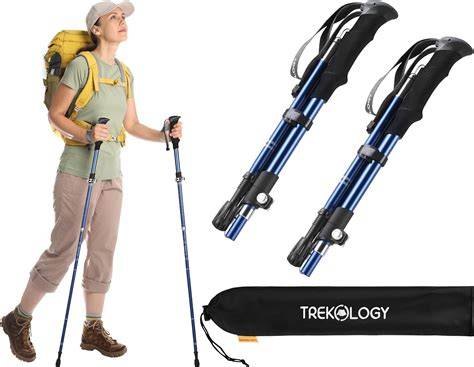

These are just a few options to consider when looking for a hiking water bottle. It's important to choose a bottle that suits your needs and preferences. Whether you prioritize insulation, durability, or convenience, there is a hiking water bottle out there that is perfect for you.

Hiking Water Bottle and Hydration

Hiking water bottles play a crucial role in ensuring proper hydration during your outdoor adventures. When you're hiking, it's important to stay hydrated to prevent dehydration and maintain optimal performance.

Dehydration can lead to symptoms such as fatigue, dizziness, and decreased cognitive function. It can also increase the risk of heat-related illnesses, especially in hot weather conditions.

A hiking water bottle allows you to carry an adequate amount of water with you, so you can replenish fluids as needed. It's recommended to drink water regularly throughout your hike, even if you don't feel thirsty. This will help to prevent dehydration and keep your body functioning at its best.

Additionally, hiking water bottles with insulation help to keep your water cold for longer periods of time. This can be especially beneficial in hot weather, as cold water can help to cool down your body and regulate your core temperature.

So, don't underestimate the importance of a hiking water bottle when it comes to hydration. It's an essential item for any hiker and can help you stay healthy and perform at your best during your outdoor adventures.

Tips for Choosing the Right Hiking Water Bottle

Choosing the right hiking water bottle can make a big difference in your outdoor experience. Here are a few tips to help you choose the right bottle for your needs:

  1. Consider the size and capacity of the bottle. If you're going on a short hike, a smaller bottle may be sufficient. However, if you're planning a long hike, you may want a larger bottle that can hold more water.
  2. Look for a lightweight and durable bottle. You don't want to be lugging around a heavy bottle while you're hiking. Opt for a bottle made from high-quality materials that can withstand rough conditions.
  3. Check the insulation capabilities of the bottle. If you're hiking in hot weather, you'll want a bottle that can keep your water cold for longer periods of time. Look for bottles with double-wall construction and vacuum insulation.
  4. Consider additional features such as leak-proof caps, built-in handles or straps, and easy cleaning options. These features can make your hiking experience more convenient and enjoyable.

By considering these tips, you can find the perfect hiking water bottle that suits your needs and preferences. So, before your next hike, make sure to invest in a high-quality bottle that will keep you hydrated and refreshed throughout your journey.

Tuesday, July 28, 2020

Famous Amazon Hiking Ideas

Hiking in the Amazon Kapawi
Hiking in the Amazon Kapawi from www.kapawi.com

Are you a hiking enthusiast looking for a new and exciting adventure? Look no further than Amazon hiking. With its lush rainforests, diverse wildlife, and breathtaking landscapes, hiking in the Amazon offers a unique and unforgettable experience. Whether you're an experienced hiker or a beginner, the Amazon has something to offer for everyone.

One of the main pain points of hiking in the Amazon is the challenging terrain. The dense vegetation and unpredictable weather can make hiking a difficult and physically demanding activity. However, the rewards of hiking in the Amazon far outweigh the challenges. The opportunity to explore one of the most biodiverse regions on the planet and witness its natural beauty up close is an experience like no other.

So, what is the target of Amazon hiking? The target is to immerse yourself in the untouched wilderness of the Amazon rainforest, to witness its incredible biodiversity, and to challenge yourself physically and mentally. It's about stepping out of your comfort zone and exploring a completely different world.

In conclusion, hiking in the Amazon is an adventure of a lifetime. It offers a unique opportunity to explore one of the most biodiverse regions on earth and witness its natural beauty up close. While it may be physically challenging, the rewards are well worth it. So, lace up your hiking boots, pack your backpack, and get ready to embark on an unforgettable journey in the Amazon.

Amazon Hiking: A Personal Experience

As an avid hiker, I had always dreamed of exploring the Amazon rainforest. Last year, I finally had the opportunity to fulfill that dream. I joined a guided hiking tour that took me deep into the heart of the Amazon. The experience was truly awe-inspiring.

Our journey began in Manaus, the gateway to the Brazilian Amazon. From there, we traveled by boat to a remote lodge deep in the rainforest. Each day, we set out on guided hikes through the jungle, led by experienced local guides who shared their knowledge and expertise with us.

During our hikes, we encountered a wide variety of wildlife, including monkeys, sloths, and colorful birds. We also had the chance to swim in crystal-clear rivers and explore hidden waterfalls. The sights, sounds, and smells of the rainforest were unlike anything I had ever experienced before.

One of the highlights of the trip was a night hike through the jungle. Armed with flashlights, we ventured into the darkness and witnessed the nocturnal creatures that come to life after the sun sets. It was a truly magical experience.

Throughout the journey, our guides emphasized the importance of conservation and sustainability. They taught us about the fragile ecosystem of the Amazon and the need to protect it for future generations. It was a humbling reminder of the responsibility we have as visitors to this incredible place.

In conclusion, my experience hiking in the Amazon was truly transformative. It allowed me to connect with nature in a way I had never experienced before and opened my eyes to the beauty and fragility of the rainforest. If you have the opportunity, I highly recommend embarking on your own Amazon hiking adventure.

What is Amazon Hiking?

Amazon hiking is the act of exploring the vast and diverse rainforests of the Amazon on foot. It involves trekking through dense vegetation, crossing rivers, and navigating challenging terrain. The goal is to immerse yourself in the natural beauty of the rainforest and witness its incredible biodiversity up close.

Amazon hiking offers a unique opportunity to explore one of the most biodiverse regions on earth. The Amazon rainforest is home to millions of plant and animal species, many of which cannot be found anywhere else in the world. By hiking in the Amazon, you have the chance to encounter exotic wildlife, witness breathtaking landscapes, and learn about the rich cultural heritage of the indigenous communities that call the rainforest home.

While hiking in the Amazon can be physically demanding, it is also incredibly rewarding. The sense of accomplishment you feel when reaching a remote waterfall or spotting a rare bird is unmatched. It is an adventure that will push you out of your comfort zone and leave you with memories that will last a lifetime.

In conclusion, Amazon hiking is a once-in-a-lifetime experience that allows you to explore the incredible biodiversity of the Amazon rainforest. It is a chance to connect with nature, challenge yourself physically and mentally, and witness the beauty of one of the world's most precious ecosystems.

The History and Myth of Amazon Hiking

The Amazon rainforest has a rich history and is shrouded in myth and legend. For centuries, indigenous tribes have called the Amazon home and have developed a deep connection with the land. They have passed down stories and traditions that are woven into the fabric of the rainforest.

One of the most famous myths associated with the Amazon is the legend of El Dorado. According to the myth, there was a lost city of gold hidden deep within the rainforest. Many explorers set out in search of this mythical city, but none were successful in finding it. The legend of El Dorado continues to captivate the imagination of adventurers and hikers to this day.

Throughout history, the Amazon has also been a source of inspiration for artists, writers, and explorers. It has been depicted in countless works of literature, paintings, and films. The lush rainforest and its exotic wildlife have a magical quality that has captured the imagination of people from all walks of life.

In conclusion, the history and myth surrounding the Amazon rainforest add an extra layer of intrigue and fascination to hiking in the region. It is a place steeped in legend and mystery, making every step on the trail feel like a journey into the unknown.

The Hidden Secrets of Amazon Hiking

While the Amazon rainforest is known for its biodiversity and natural beauty, it also holds many hidden secrets that are waiting to be discovered by intrepid hikers. From hidden waterfalls to ancient ruins, there is always something new and exciting to uncover in the Amazon.

One of the hidden secrets of Amazon hiking is the opportunity to encounter rare and endangered species. The rainforest is home to iconic animals such as jaguars, giant river otters, and pink river dolphins. Spotting one of these elusive creatures in their natural habitat is a truly unforgettable experience.

Another hidden secret of Amazon hiking is the chance to explore ancient indigenous settlements. Throughout the rainforest, there are archaeological sites that offer a glimpse into the rich cultural heritage of the indigenous communities that have called the Amazon home for centuries. Exploring these sites is like stepping back in time and connecting with the ancient history of the region.

In conclusion, hiking in the Amazon is not just about the well-known attractions. It is also about uncovering the hidden secrets of the rainforest and experiencing the thrill of discovering something new. The Amazon holds many surprises for those who are willing to venture off the beaten path.

Recommendations for Amazon Hiking

If you're considering embarking on an Amazon hiking adventure, here are a few recommendations to make the most of your experience:

1. Choose a reputable tour operator: Hiking in the Amazon can be challenging and requires experienced guides who are knowledgeable about the region. Research and choose a tour operator that has a good reputation and prioritizes safety and sustainability.

2. Pack the right gear: The Amazon rainforest is hot and humid, so it's important to pack lightweight and breathable clothing. Don't forget essentials such as insect repellent, sunscreen, and a good pair of hiking boots.

3. Be prepared for the weather: The weather in the Amazon can be unpredictable, so it's important to be prepared for rain and humidity. Pack a waterproof jacket and a change of clothes in case of sudden downpours.

4. Respect the environment and the local communities: The Amazon is a fragile ecosystem, and it's important to minimize your impact on the environment. Follow the guidance of your guides and avoid leaving any trace of your presence. Respect the cultural traditions of the local communities and seek permission before taking photographs or interacting with them.

In conclusion, following these recommendations will help ensure that your Amazon hiking adventure is safe, enjoyable, and respectful of the environment and the local communities.

Exploring the Flora and Fauna of the Amazon

The Amazon rainforest is home to an incredible array of plant and animal species. From towering trees to colorful birds, there is no shortage of natural wonders to discover. Here are some of the highlights:

1. Giant Water Lilies: The Amazon is home to the largest water lilies in the world. These impressive plants can grow up to 3 meters in diameter and provide habitat for a variety of aquatic species.

2. Poison Dart Frogs: The Amazon is home to hundreds of species of poison dart frogs, known for their bright colors and toxic skin secretions. These tiny creatures are a favorite among wildlife enthusiasts.

3. Howler Monkeys: The Amazon rainforest is filled with the sounds of howler monkeys. These loud and vocal primates are known for their distinctive calls, which can be heard from miles away.

4. Pink River Dolphins: The Amazon River is home to the elusive pink river dolphins. These unique creatures are known for their pink coloration and playful behavior.

In conclusion, exploring the flora and fauna of the Amazon is a fascinating and educational experience. It allows you to witness the incredible biodiversity of the rainforest and learn about the delicate balance of its ecosystems.

Tips for Amazon H

Ice Spice: Biography, Rapper, 2024 Grammy Nominee

Table Of Content WGA deal brings tears of joy to Hollywood writers, and relief to a city scarred by strikes Complex MusicNewsletter Taylor S...